THINK.BUILD.BEYOND.
I define the problem, connect the right tools, and keep building until the pieces work together.
THE WORK↘
I see the whole system.
Then I make the
pieces work together.
I use AI to accelerate implementation, research and debugging. I set the direction, connect the systems, examine the results and decide what needs to change.
02 / Selected work
BUILT TO
CONNECT.
Independent projects across software, security and infrastructure. Open a project for context and my contribution.
 F / 01 — CONCEPT ARTAI / FULL STACK01 /
AI & LLM web services
From a model on a local machine to an interface people can actually use.
Explore project
F / 01 — CONCEPT ARTAI / FULL STACKAI & LLM web services
From a model on a local machine to an interface people can actually use.
Explore projectConnected local models, an Ollama-compatible HTTP API and browser interfaces. My work spans service integration, frontend workflows and deployment.
 F / 02 — CONCEPT ARTSECURITY / SYSTEMS02 /
Security testing platform
A shared workflow for authorized testing, repeatable checks and useful reports.
Explore project
F / 02 — CONCEPT ARTSECURITY / SYSTEMSSecurity testing platform
A shared workflow for authorized testing, repeatable checks and useful reports.
Explore projectBuilt a multi-domain testing engine with common adapters, normalized results and campaign management. The work connects web, application, network and LLM evaluation while separating observations from confirmed findings.
 F / 03 — CONCEPT ARTLANGUAGE / TOOLING03 /
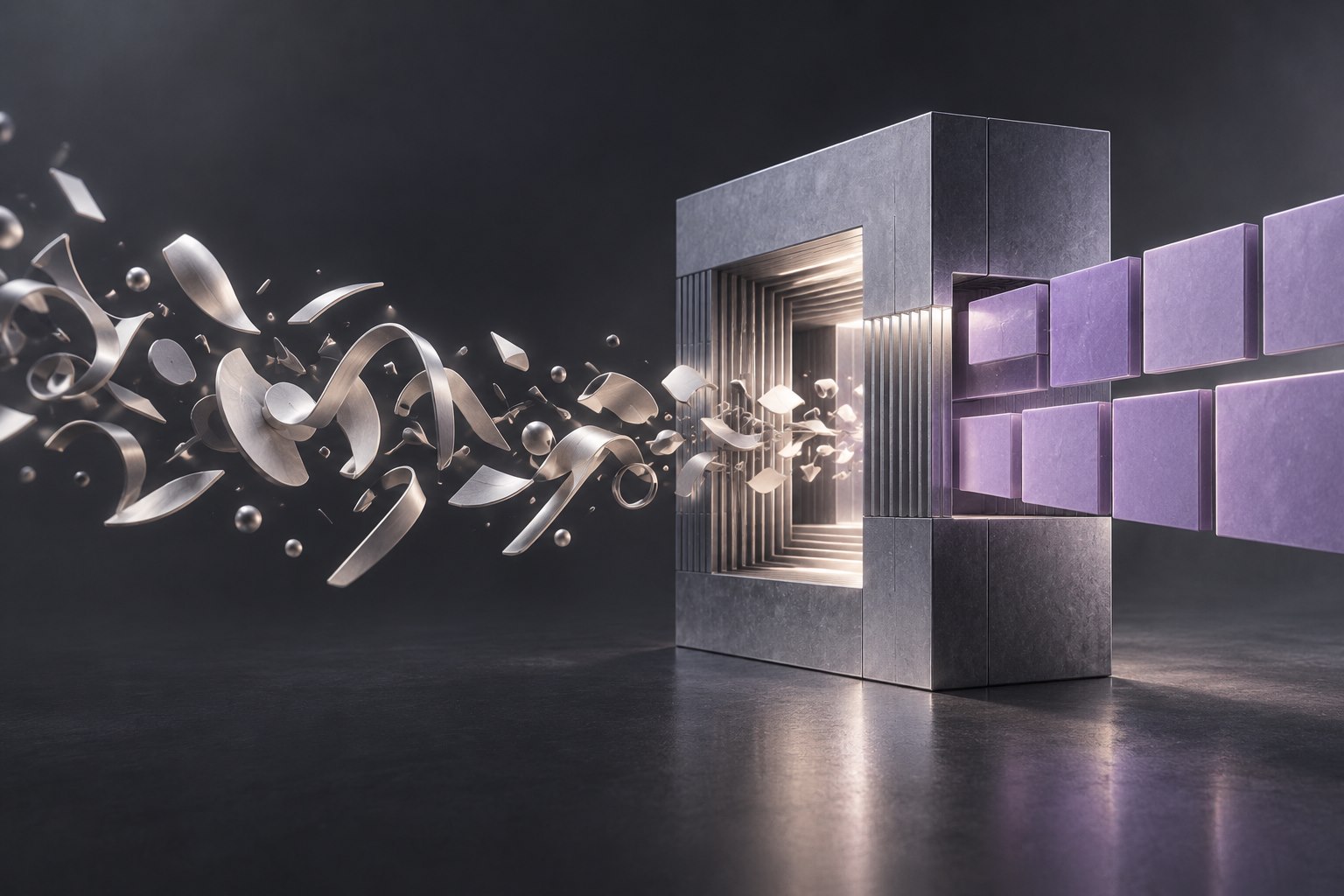
Language & compiler
An independent language project, from parsing to execution and regression checks.
Explore project
F / 03 — CONCEPT ARTLANGUAGE / TOOLINGLanguage & compiler
An independent language project, from parsing to execution and regression checks.
Explore projectDeveloped a parser, type checking, a compiler, a runtime and supporting tools. Compared execution results against reference behavior and revised the implementation through focused regression checks.
 F / 04 — CONCEPT ARTCRYPTOGRAPHY / RESEARCH04 /
Encrypted computation & proofs
Independent research into computing on protected data and verifying results.
Explore project
F / 04 — CONCEPT ARTCRYPTOGRAPHY / RESEARCHEncrypted computation & proofs
Independent research into computing on protected data and verifying results.
Explore projectResearch implementations in fully homomorphic encryption and zero-knowledge proofs. The process includes reference calculations, boundary-case analysis and regression checks. This is research work, not a claim of independently audited production security.
 F / 05 — CONCEPT ARTWEB3 / INFRASTRUCTURE05 /
Blockchain infrastructure
Working across the chain, execution layer, wallets and supporting services.
Explore project
F / 05 — CONCEPT ARTWEB3 / INFRASTRUCTUREBlockchain infrastructure
Working across the chain, execution layer, wallets and supporting services.
Explore projectIndependent EVM-compatible L1 development using reth, token and governance work, and earlier Monero-based chain, wallet and mining experiments. These projects connect protocol concepts to running infrastructure.
 F / 06 — CONCEPT ARTAI / RUNTIME RESEARCH06 /
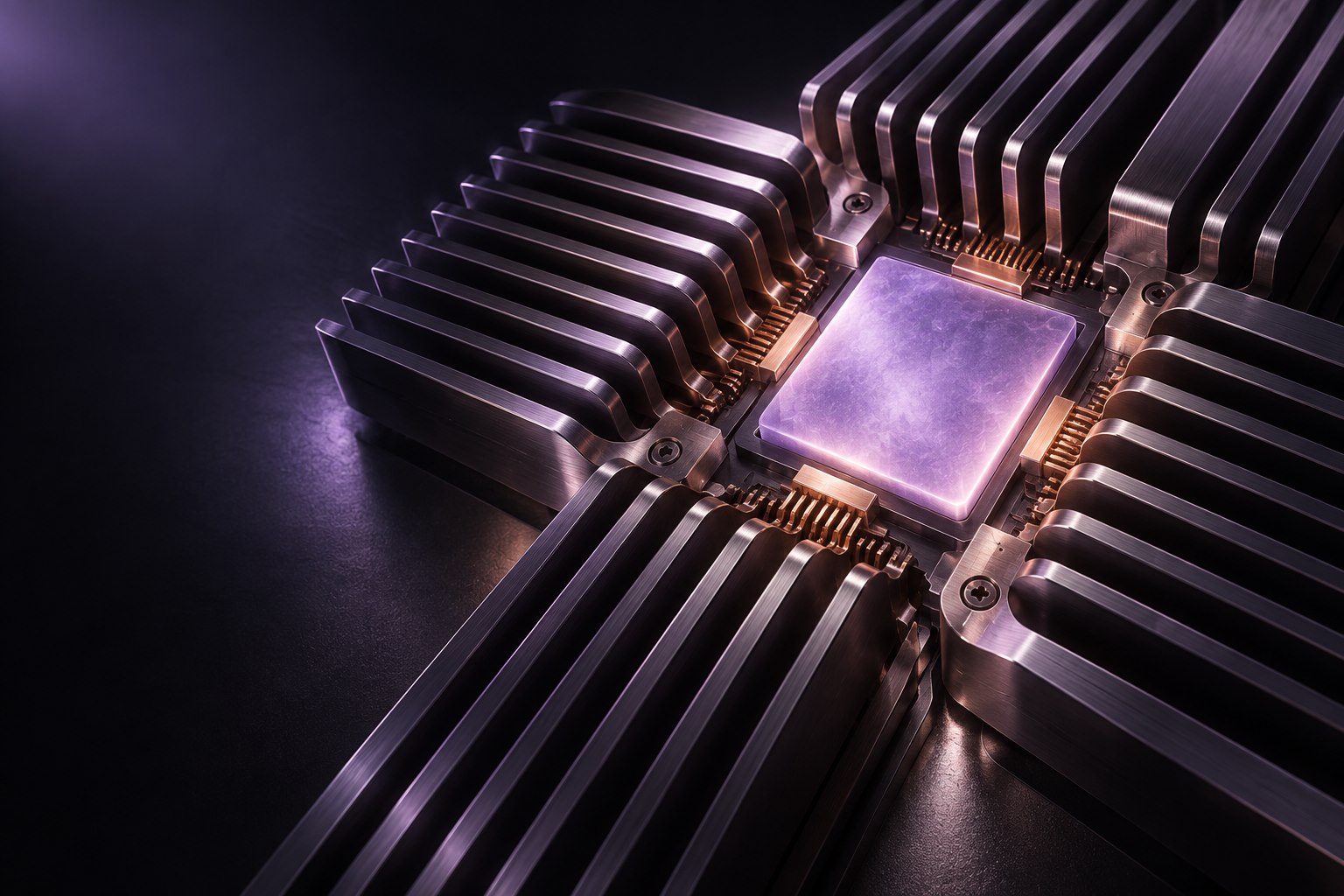
Rust & CUDA LLM runtime
Exploring how model execution, memory and concurrency fit together.
Explore project
F / 06 — CONCEPT ARTAI / RUNTIME RESEARCHRust & CUDA LLM runtime
Exploring how model execution, memory and concurrency fit together.
Explore projectDeveloped runtime experiments using external model weights, studying kernel integration, caching and parallel execution. Internal comparisons guide iteration; they do not establish superiority over other inference engines.
 F / 07 — CONCEPT ARTAUTOMATION / SOFTWARE07 /
Modular trading framework
Strategy, risk checks and execution as separate parts of one system.
Explore project
F / 07 — CONCEPT ARTAUTOMATION / SOFTWAREModular trading framework
Strategy, risk checks and execution as separate parts of one system.
Explore projectBuilt an Alpaca-integrated Python framework with replaceable strategy plugins and shared data and order components. Shadow, paper and live routes are configurable; the project description makes no investment-performance claim.
 F / 08 — CONCEPT ARTDEVELOPMENT / WORKFLOW08 /
Private development environment
AI-assisted development with deliberate control over context and outputs.
Explore project
F / 08 — CONCEPT ARTDEVELOPMENT / WORKFLOWPrivate development environment
AI-assisted development with deliberate control over context and outputs.
Explore projectDesigned a local development workflow that keeps sensitive source execution isolated and controls the context made available to external tools. Reviews and explicit release boundaries are part of the workflow.
03 / HOW I WORK
IDEA.
ITERATION.
IMPACT.
I use AI to accelerate implementation, research and debugging. I set the direction, connect the systems, examine the results and decide what needs to change.
- /01
Understand
Define the goal. Research the problem and compare existing approaches.
- /02
Connect
Design the system. Bring the right tools and technologies together.
- /03
Build & test
Implement, inspect the output and investigate failures.
- /04
Refine
Revise, validate the full workflow and preserve what was learned.
04 / THE PERSON BEHIND THE PROJECTS
ALWAYS
A BUILDER.
A first PC at seven. Weather-data automation in the Navy. More than a decade running a business. The tools have changed; the instinct to solve the problem has stayed.
Read my full story“I see the forest, choose the direction, and bring the system to life.”
Republic of Korea Navy
Weather and ocean analysis, military intelligence, and operational automation.
A foundation in IT
Computer Specialist and Networking Specialist degrees, Savannah Technical College.
Business operations
From management to ownership, working with people, systems and real constraints.
AI-native development
Software, web services and independent systems research.
05 / LET’S BUILD SOMETHING USEFUL
WHAT’S
NEXT?
I’m looking for a team where systems thinking, hands-on technical range and real business experience can make a difference.
Get in touch↗Download resume ↓